

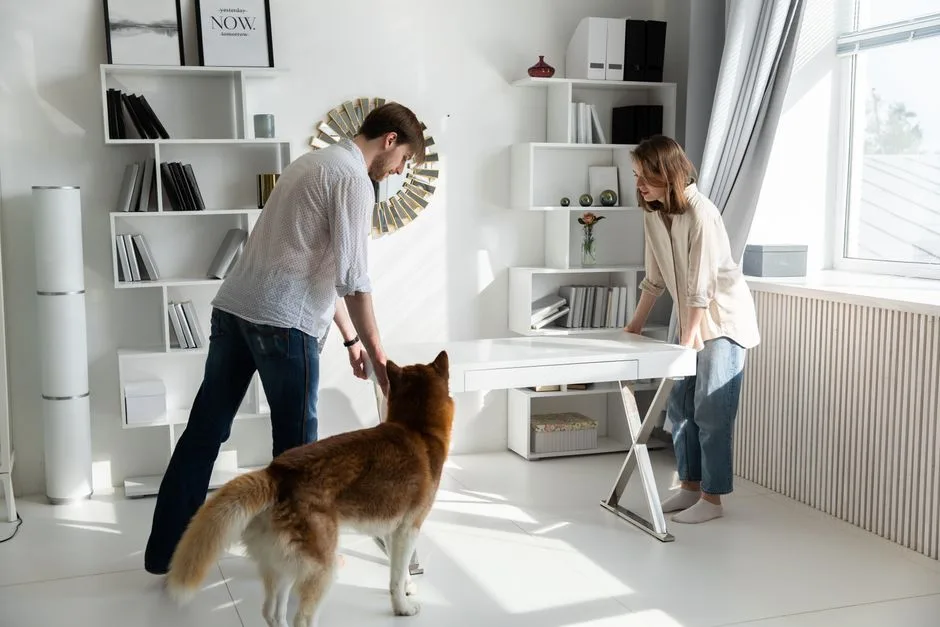
Why Normal Cleaning Doesn't Remove Pet Odor
Pet urine contains uric acid crystals that bind to fabric fibers and surfaces. Regular soap and water dissolve the surface residue but leave the uric acid crystals intact. When the surface dries and humidity changes, the crystals release their odor again — which is why a spot you "cleaned" months ago can suddenly smell again on a humid day.
General pet odor (the "wet dog" or "cat smell" that accumulates in a home) comes from dander proteins, skin oils deposited on upholstery and carpet, and microbial activity in those deposits. These compounds are also not addressed by standard cleaning products.
The only products that actually work on pet odor are enzyme cleaners, which contain biological enzymes that digest the uric acid crystals, proteins, and other organic compounds that cause the smell. Everything else — masking sprays, baking soda, fragrant cleaners — covers odor temporarily rather than eliminating it. In a rental context, a temporary mask that wears off before the landlord's move-out inspection is useless.
Enzyme Cleaners: How to Use Them Correctly
Product selection: Rocco & Roxie Professional Strength, Nature's Miracle Original, and Hepper Advanced Bio-Enzyme are the most consistently effective options. Avoid products with bleach (destroys the enzymes) or ammonia (smells like urine to pets, may cause re-marking).
For fresh urine accidents on carpet: Blot — don't rub — to absorb as much liquid as possible. Saturate the area with enzyme cleaner, using enough to reach the pad beneath the carpet (the urine went that far, and the cleaner needs to also). Cover with a damp cloth to slow evaporation. Let sit 10–15 minutes minimum. Blot dry. For best results, let the area air dry completely rather than blotting all the moisture immediately — the enzymes work on contact with the organic material and need time.
For old stains: Use a UV black light (inexpensive on Amazon) in a darkened room to locate the exact boundaries of urine deposits — the stain glows yellow-green. Old stains require more product and longer contact time because the uric acid crystals have had time to set. Multiple applications may be needed.
Steam and heat set urine odor permanently by bonding the uric acid proteins to carpet fibers. This is the opposite of what you want. Always use room-temperature enzyme cleaner on urine stains — never hot water, steam cleaners, or heated treatment of any kind.
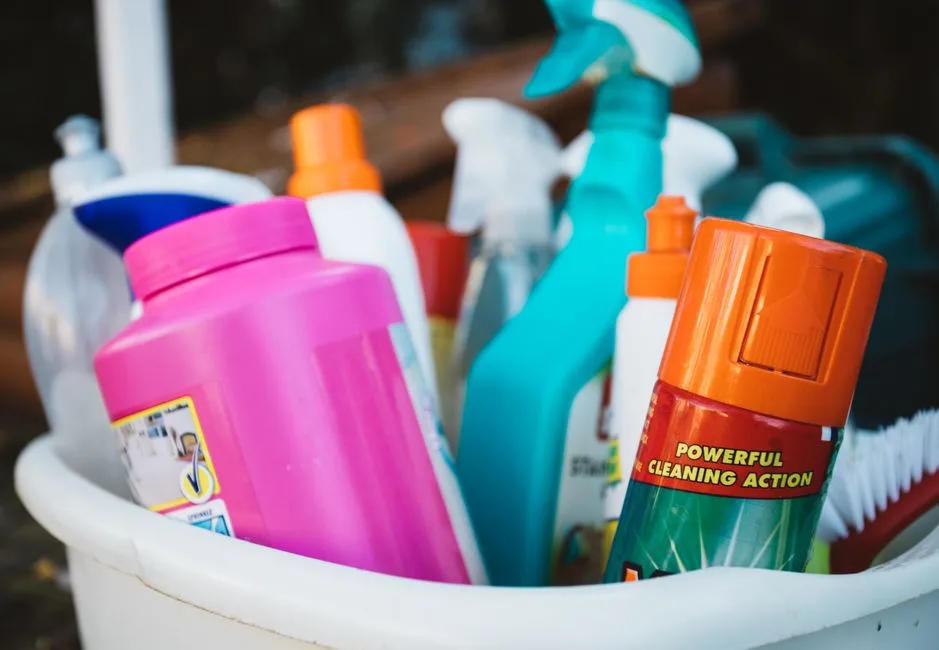
Air Purifiers That Actually Work for Pet Odor
An effective air purifier for pet households needs two filter types: HEPA (for dander particles) AND activated carbon (for gaseous odor compounds). HEPA-only purifiers don't address odors; carbon-only doesn't address allergen particles. Look for units that specify both.
Recommended brands with both filter types: Coway AP-1512HH (budget-friendly, good for rooms up to 360 sq ft), Winix 5500-2 (mid-range, 360 sq ft), Austin Air HealthMate (higher-end, large rooms), IQAir GC MultiGas (premium, whole-apartment). Size the unit to the room — an undersized unit running constantly is less effective than a correctly-sized unit at medium speed.
Placement matters: put the purifier in the room where the pet spends the most time, not in a corner behind furniture. Clear airflow on all sides is essential for the unit to cycle room air effectively.
Daily and Weekly Routines That Prevent Accumulation
Odor management is a maintenance problem, not a cleaning problem. The tenants with odor-free rentals are the ones who don't let odor accumulate, not the ones who clean intensively before move-out.
Daily: Scoop litter (twice for multiple cats). Wipe down hard floors in pet areas with a diluted enzyme cleaner spray. Run the air purifier continuously.
Weekly: Wash pet bedding and any fabric your pet regularly sleeps on. Vacuum upholstery your pet uses. Wash the food and water mat. Ventilate by opening windows when possible.
Monthly: Wash the litter box thoroughly with fragrance-free soap and let it air dry. Replace litter completely. Change air purifier pre-filter if applicable. Treat carpeted areas in pet zones with enzyme cleaner as a preventive measure, not just after accidents.
The Move-Out Odor Strategy
Start two to four weeks before move-out — not the night before. Treat all carpet, upholstery, and soft surfaces with enzyme cleaner. Use the UV light to identify any odor spots you might not be aware of. Run the air purifier continuously. If there's a strong residual smell after thorough enzyme treatment, an ozone treatment may be needed — but this typically requires 24–48 hours out of the apartment. Professional carpet cleaning with enzyme solution is the last step, scheduled after other treatments are complete.
If you're concerned about the state of the carpets at move-out, see our security deposit recovery guide and our move-in documentation guide to understand what landlords can and cannot charge for.