

The Mindset Shift: The Apartment Is for Resting
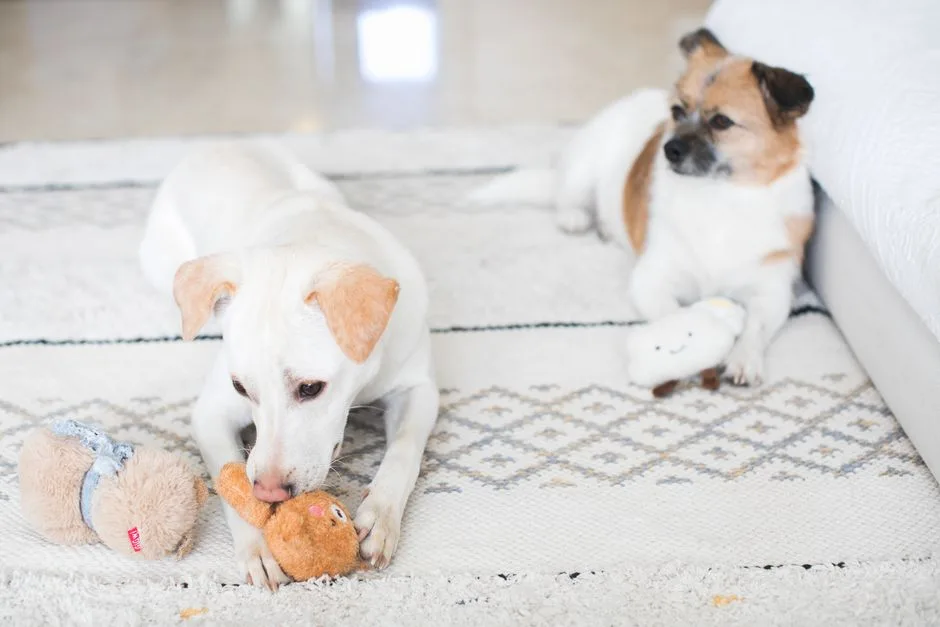
The most important concept for small-apartment dog owners: the apartment is where your dog rests, not where they exercise. A well-exercised dog is a calm indoor dog. A bored dog is an anxious, restless, destructive dog. Every problem that small-apartment dog owners describe — chewing, barking, destructiveness — is primarily an exercise and enrichment problem, not a space problem. Get the exercise right, and the space issue largely takes care of itself.
Exercise: Meeting Needs Without a Yard
1. Two structured walks per day. Not just a potty trip — a real walk. For medium to large breeds, 30–45 minutes per walk is a baseline. Morning and evening walks create a rhythm that regulates your dog's energy throughout the day.
2. Sniff walks. Let the dog choose the pace and route, focused on smelling everything rather than covering distance. Sniff walks are mentally exhausting in a way that brisk walking isn't — 20 minutes of sniff walk can be as tiring as an hour of brisk walking. These are ideal for days when you're time-limited.
3. Dog park sessions 3–4x per week. Off-leash running is exercise that apartment walks can't replicate. Find your nearest fenced dog park and make it part of the weekly routine.
4. Dog daycare 1–2 days per week for high-energy breeds. For working owners with dogs who have significant exercise needs (Husky, Border Collie, Dalmatian, Vizsla), one to two daycare days per week handles energy management that would otherwise require hours of daily exercise.
Mental Enrichment: Tire the Mind
5. Puzzle feeders instead of bowls. Replace at least one meal per day with a puzzle feeder (Kong toy, snuffle mat, Licki Mat, Nina Ottosson puzzle). Your dog works for their food, which provides mental exercise that a bowl doesn't. This single switch can significantly reduce boredom behavior.
6. Training sessions. Five to ten minutes of obedience practice or trick training is mentally exhausting for most dogs. Training after exercise is ideal; a tired dog learns better and settles more easily afterward.
7. Hide-and-seek with treats. Hide kibble or treats around the apartment and release the dog to find them. This uses natural scenting behavior, requires zero extra space, and keeps a dog actively engaged for 10–20 minutes.
8. Appropriate chew enrichment. Bully sticks, raw bones, and deer antlers provide sustained, quiet engagement for most dogs. A dog engaged with a good chew is a dog who isn't barking, chewing furniture, or pacing. Chew sessions are particularly useful during work-from-home hours when you need focused work time.
Space-Saving Organization for Dog Gear
9. Entry zone for all gear. Leash hook, treat container, poop bag dispenser, and collar hooks — all at the door. This prevents dog gear from spreading throughout the apartment. Wall-mounted hooks take zero floor space.
10. Multi-purpose furniture. An ottoman with interior storage is a dog toy box that also serves as seating. A bench at the entry with storage beneath holds dog gear invisibly. Every piece of furniture should be doing multiple jobs in a small apartment.
11. Flat, fold-flat dog beds. Low-profile beds that slide under furniture when not in use (under the couch, under the bed) take zero floor space when the dog isn't using them. Multiple thin beds are easier to manage than one large elevated bed.
12. Furniture-style crate as end table. Wood-finish furniture crates blend into a room as an end table or nightstand and serve as a crate. These eliminate the visual and physical footprint of a wire crate while functioning identically. Alternatively, wire crates fold flat and can be stored vertically in a closet when not in use.
13. Vacuum storage for seasonal gear. Dog winter coats, rain jackets, and bulky seasonal items compress significantly in vacuum storage bags. Store in a closet between seasons rather than taking up drawer or shelf space year-round.
Cleanliness and Organization
14. Robot vacuum on daily schedule. A Roomba or similar unit running on a daily schedule prevents fur accumulation before it becomes visible. This is a higher return on investment for dog owners than for households without pets, because fur accumulates faster than any other form of household debris.
15. Weekly deshedding brush sessions before fur spreads. Brush at the source, once per week — before the hair distributes through the apartment. A Furminator or similar deshedding brush during a regular grooming session removes far more fur than vacuum cleanup of already-distributed hair. For heavy shedders, brush twice weekly.
16. Washable covers on all dog-used furniture. Microfiber throws or sofa covers that wash easily are cheaper and more manageable than cleaning fur embedded in upholstery. Wash weekly; the machine handles what vacuuming doesn't reach.
17. Tile or hard-surface flooring where possible. If your apartment has hard floors in some areas and carpet in others, direct your dog toward hard floor zones for eating and high-activity times. Fur, muddy paws, and food debris are far easier to clean from hard floors than carpet.
18. Paw wipe station at entry. A small basket with reusable paw wipes or a dog paw washer near the entry prevents mud and debris from being tracked through the apartment. Two minutes at the door saves significant cleaning time.