
Landlord Tips for Pet Owners
Most landlords aren't anti-pet — they're anti-risk. These guides show you how to reduce perceived risk, negotiate exceptions, and become the tenant every landlord wants to keep.
Getting a landlord to say yes to your pet often comes down to how you frame the conversation. These five guides cover negotiating no-pets policies, building a professional pet resume, understanding what landlords actually think about pets, when offering extra money helps, and how to build a landlord relationship that pays off at renewal time.

Negotiating a No-Pets Policy: Scripts That Actually Work
Why most no-pets policies are negotiable, the exact conversation to have, what to put in writing, and the three things that make landlords say yes more often than anything else.

Pet Resume Template: Stand Out From Other Applicants
A plug-and-play pet resume template with every section a landlord actually looks for — plus what to include, what to leave out, and how to format it for maximum credibility.
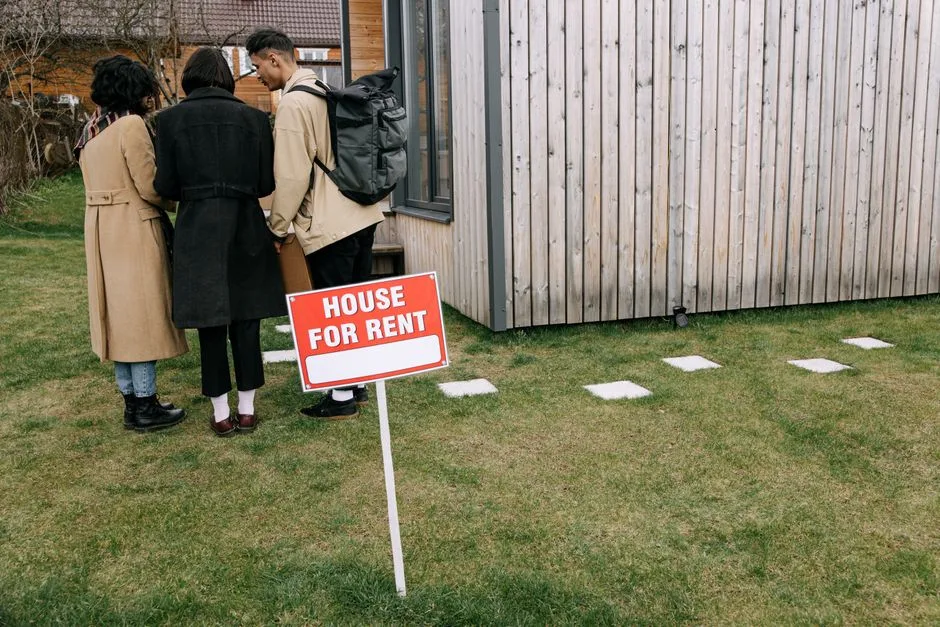
What Landlords Actually Think About Pets (And How to Change It)
The real reasons behind no-pets policies, which pet concerns are legitimate vs. myths, and how to reframe your application to address each concern before they bring it up.

Offering Extra Deposit for Pets: When It Helps (and When It Doesn't)
When an extra deposit actually tips the decision, how much to offer, how to structure the offer in writing, and the legal limits on what landlords can charge by state.

Building a Great Landlord Relationship as a Pet Owner
The specific habits that make pet-owning tenants easy to renew, how to communicate proactively, and what to do if your pet causes damage before your landlord finds out.