


Pet Deposit vs Pet Fee: The Key Difference
These two charges look similar — they're both upfront money you pay because you have a pet — but they work very differently:
A pet deposit is a refundable security deposit specifically for potential pet-related damage. It's held by the landlord, and after you move out, they can deduct documented pet damage from it. Whatever is left over must be returned to you within your state's deadline (typically 14–30 days). If there's no pet damage, you get it all back.
A pet fee is a non-refundable charge. It's paid once (or sometimes monthly), and the landlord keeps it regardless of whether any damage occurs. Think of it like a cover charge — you pay it for the privilege of having a pet in the unit, not as a damage reserve. You will not get this money back under any circumstances.
The practical impact is significant: on a $500 pet deposit with zero damage, you get $500 back. On a $500 pet fee, you get $0 back. Before signing any lease, identify exactly which type of charge you're agreeing to — and what your state says about whether it's enforceable as labeled.
Some leases use the terms "pet deposit" and "pet fee" interchangeably, or call a non-refundable charge a "deposit." In states that require all deposits to be refundable, calling a charge a "deposit" may make it refundable by law regardless of the lease wording. Know your state's rules before assuming the label controls.
Monthly Pet Rent: The Third Type of Charge
In addition to upfront deposits or fees, many landlords charge monthly pet rent — an additional amount added to your base rent each month because you have a pet. Pet rent is legal in all U.S. states and is treated as additional rent (not a deposit). It is never refundable. Typical amounts range from $25 to $100 per pet per month, but there's no legal limit in most states.
A landlord can legally charge any combination of pet deposit, pet fee, and monthly pet rent — but each component has different legal characteristics. Make sure you understand what you're agreeing to in each category before signing.
Refundability: What You're Actually Entitled To
Pet deposits follow the same rules as security deposits in most states: they're refundable, subject to deductions for documented damage, and must be returned within a specific deadline. A landlord who keeps a pet deposit without itemized documentation and receipts is likely violating tenant protection law.
The key standard: landlords can only deduct for actual pet-caused damage beyond normal wear and tear. They cannot keep a pet deposit simply because you had a pet, to cover hypothetical future damage, or without providing an itemized accounting. Common improper deductions include: charging full carpet replacement cost for a minor stain, claiming odor remediation without professional invoices, or keeping the entire deposit without any itemization.
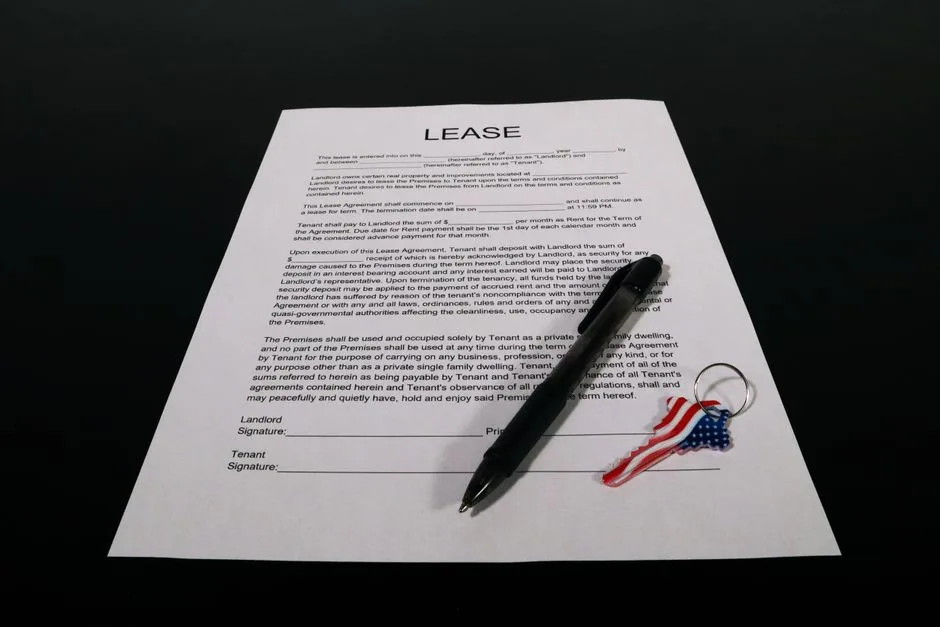
State Limits on Pet Deposits
Some key state-specific rules that affect pet deposits:
States that cap total deposit amounts (including pet deposits): Many states limit total security deposits to 1–2 months' rent. If the combination of your regular deposit and pet deposit exceeds this cap, the excess may be recoverable. California, for example, caps total deposits at 2 months' rent for unfurnished units.
States where non-refundable deposits are prohibited: California, Montana, Michigan, Maryland, Minnesota, and New Hampshire (among others) prohibit designating any deposit as non-refundable. In these states, even if your lease says "non-refundable pet fee," you may be entitled to recover it if you can show there was no pet damage.
States with separate pet deposit rules: Some states specifically regulate pet deposits separately from security deposits, with their own caps and rules. Research your state's tenant rights handbook for the current rules.
ESAs and Service Animals: No Pet Fees Allowed
Under the Fair Housing Act, properly documented emotional support animals and service animals are assistance animals, not pets. Landlords generally cannot charge pet deposits or pet fees for these animals — though they can charge you for actual documented damage the animal causes, the same as any other tenant-caused damage.
The 2026 HUD enforcement guidance change has made this area more legally uncertain for untrained ESAs at the federal level. However, many states still explicitly prohibit pet charges for verified assistance animals under their own fair housing statutes. If you have an ESA and a landlord is attempting to charge a pet deposit, research your state's fair housing law and see our ESA rental rights guide for the full current picture.
What to Review Before Signing
Before signing any lease with pet charges, identify and clarify each of the following in writing:
The exact amount of any upfront pet charge, and whether it is explicitly labeled as refundable or non-refundable. The monthly pet rent amount, if any. The conditions under which the pet deposit can be applied to damages. Whether the pet deposit is held separately from the regular security deposit. Any move-out cleaning requirements specific to pets. Whether the terms apply per pet (so you know what adding a second pet would cost). And the deadline for deposit return after move-out under your state's law — if the landlord doesn't know this, that's a yellow flag.
See our pet lease clauses guide for a complete review framework before signing.
Negotiating Pet Charges
Pet deposits and fees are negotiable — particularly if you come prepared with a strong pet resume, documentation of zero damage in previous rentals, and a previous landlord reference. In a balanced rental market, a landlord who trusts you enough to allow your pet may be open to reducing the deposit amount, converting a non-refundable fee to a refundable deposit, or reducing or waiving monthly pet rent in exchange for a larger upfront deposit.
The time to negotiate is before signing, not after. Once you've agreed to terms and signed, your leverage is gone. See our negotiating guide for the full conversation strategy.
Getting Your Pet Deposit Back
Your ability to recover your full pet deposit depends on: documenting the unit's condition at move-in (so pre-existing damage can't be attributed to your pet), preventing pet damage during your tenancy, cleaning thoroughly before move-out, leaving the unit in the same condition you found it (minus normal wear), and understanding your state's deposit return deadline.
If your landlord fails to return your deposit or provide an itemized accounting within your state's deadline, they may have forfeited their right to any deductions and may owe you penalties — often double or triple the withheld amount. Small claims court handles most deposit disputes without a lawyer, and the landlord penalty provisions make even modest disputed amounts worth pursuing.
For the complete move-out strategy, see our security deposit recovery guide.